Our Heritage
A Tent Revival and a Peach Orchard (1901–1904)
Hardison Baptist Church was born not in a sanctuary of brick and timber, but beneath the canvas of a tent. In 1901, a protracted revival meeting was conducted by circuit-riding preacher W. L. Cutts, whose earnest gospel preaching stirred the hearts of the local community. The meetings bore lasting fruit. With the strong support of the family of Jefferson D. Hardison, a prominent local peach grower, a congregation was gathered and formally organized.
On September 26, 1902, the church was officially chartered.
Within two years, the young congregation had erected its first meetinghouse. On April 10, 1904, that newly constructed building was dedicated—again under the leadership of W. L. Cutts. The first observance of the Lord’s Supper in the new sanctuary followed on July 10. On September 29, 2008, the church officiated the funeral of Miss. Alma Hardison, a reminder that from its earliest days, Hardison Baptist Church would share together in both rejoicing and grief.
Growth, Revivals, and Early Leadership (1907–1939)
In 1907, Sam F. Loew was ordained to the ministry, signaling the church’s commitment to raising up leadership from within. By August 1913, a revival led by T. S. Hubert drew “large congregations and many additions to church membership,” establishing a pattern that would define the church for decades: seasons of spiritual renewal followed by steady growth.
The church’s influence expanded beyond its walls. On May 14, 1922, Hardison hosted a Sunday School rally, drawing more than 500 attendees for preaching, fellowship, and dinner on the grounds. Another Sunday School Conference followed in November 1924.
Through the years, pastors such as Rev. C. C. Herd (identified in 1926) shepherded the flock. Even during the hardships of the Great Depression, church life remained vibrant. In January 1934, the HBC ladies gathered for a luncheon at Sterchi’s—.25¢ a plate—reflecting both the era’s economy and the warmth of Christian fellowship.
Revivals continued, including meetings with S. F. Lowe in 1937. In 1939, the Sunday School picnic drew 50 children—evidence that the next generation was being carefully nurtured.
Expansion and Postwar Momentum (1945–1959)
In 1945, under Pastor M. E. Wells, the first addition to the church building was constructed, adding five classrooms. The postwar years brought renewed evangelistic fervor. Revivals with Claude Vines in 1945 and 1946, during the pastorate of Emory Bowen, strengthened the congregation.
The 1950s marked a decisive season of growth. Pastor Bob Puckett served in 1953, followed by the ordination and installation of Pastor Clint Rogers on January 30, 1955. For the first time, full-time worship services were held every Lord’s Day, morning and evening. A new platform for the pulpit and choir was added that August.
Under Pastor Gene Payne (1956–1957), the church saw 33 baptisms and 63 additions in a single year. By 1957, membership stood at 204, with 30 active youth. A wooden sign in front of the church declared: “The singing church. Gospel preaching each Lord’s Day.” Fellowship events—like an October “wiener roast”—reflected a joyful congregational life. That same year, the parsonage was completed.
In 1959, a significant second addition was constructed—an L-shaped expansion using sections of the former Robins Air Base Hospital. The addition included a kitchen, fellowship hall, nursery, office, restrooms, and six classrooms. The auditorium itself was enlarged, increasing the church’s capacity and capability for ministry.
Revival Fires and a New Sanctuary (1960–1969)
The 1960s were characterized by powerful preaching and consistent growth. In 1960 alone, the church hosted guest preachers such as Dr. Bob Gray, Dr. Lee Roberson, and Dr. Charles Weigle. In 1961, a baptistry was installed, and the first baptisms—Bill and Patsy Burnett—took place in it.
In 1965, Pastor Boyd Dickey began his over 20-year tenure. That same year, the church’s worship experience was enhanced with the addition of a Baldwin organ and a Baldwin Hamilton piano. Membership grew steadily, reaching 265 by June 1967.
Under Pastor Dickey’s leadership, the building was thoroughly renovated and expanded through the efforts and donations of the members, with no loans required as God supplied every need. On June 4, 1969, the newly renovated sanctuary—built on the original foundation—was dedicated. Featuring red carpet, white pews with red padding, and a capacity of 385, the building symbolized both continuity and renewal.
Missions, Maturity, and Momentum (1970–1985)
In 1970, James Ray, a childhood member of the church, was sent as a missionary to Australia—a milestone that demonstrated Hardison’s growing global vision.
Membership surged in the early 1970s. By January 1973, it had reached 535. The choir numbered 30 singers in red robes.
The church became known for large, camp-meeting-style revivals, such as the 1972 gathering featuring multiple well-known preachers. Guest speakers and singing groups were frequent features of church life.
In 1981, the newly installed church bell rang for the first Lord’s Day service. That same year saw the completion of a gym and softball field, expanding the church’s community outreach. By November 1982, membership had grown to 673.
Revivals and missions conferences continued through the 1980s, reinforcing the church’s evangelistic emphasis.
Broadcasting the Gospel and Building for the Future (1989–1997)
In 1989, the church entered radio ministry, partnering with WJTG 91.3, broadcasting live Sunday services.
Missions’ conferences, revivals, and special music events characterized these years.
In October 1993, construction began on a new multi-purpose building. Dedicated on March 27, 1994, under Pastor Charles R. Odum, the facility included a new kitchen, fellowship hall, choir room, Sunday School rooms, library, offices, and restrooms—positioning the church for expanded ministry.
The church celebrated its 92nd anniversary in 1994, welcoming former pastor Gene Payne.
21st Century forward
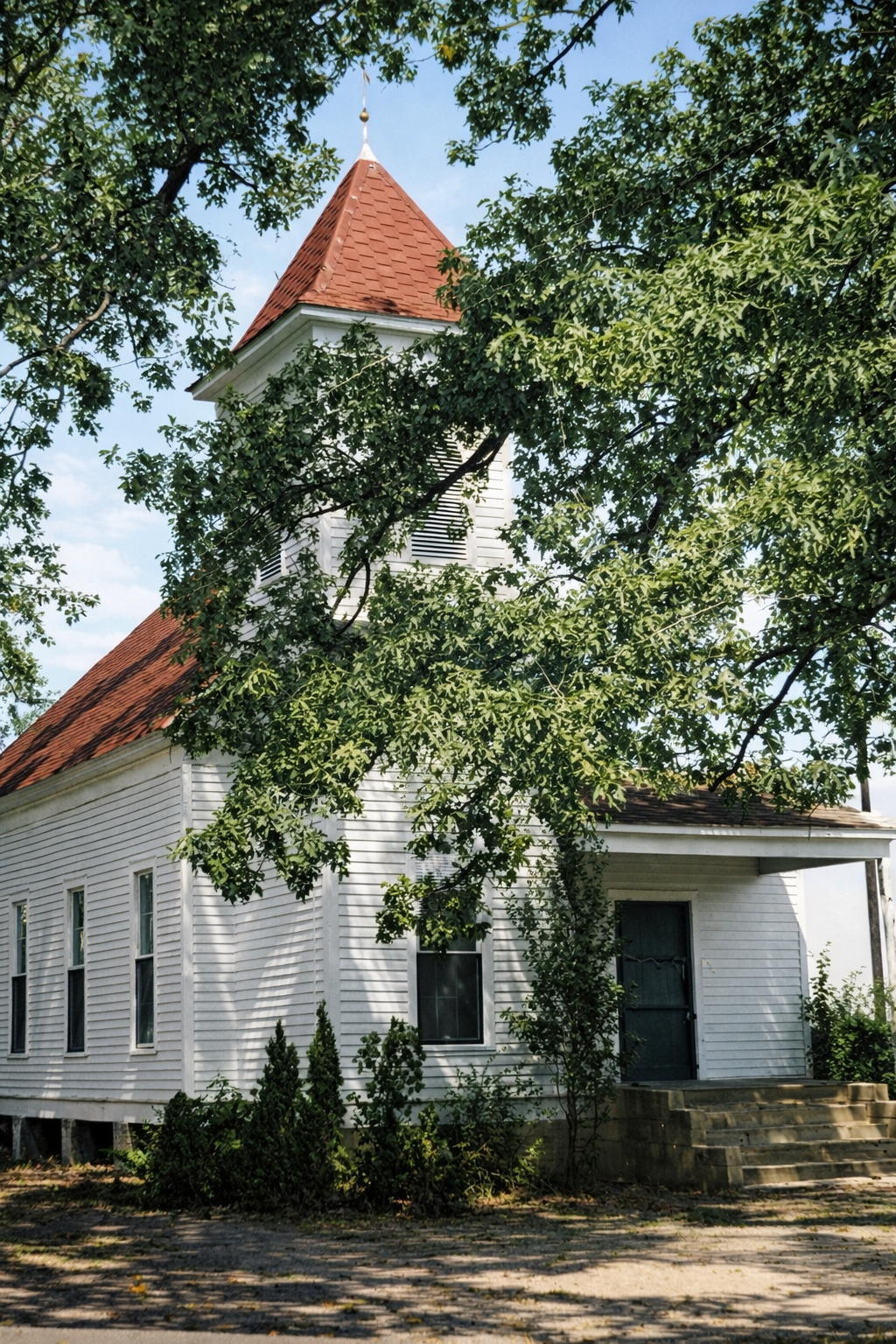
Original Meetinghouse in the very early years.
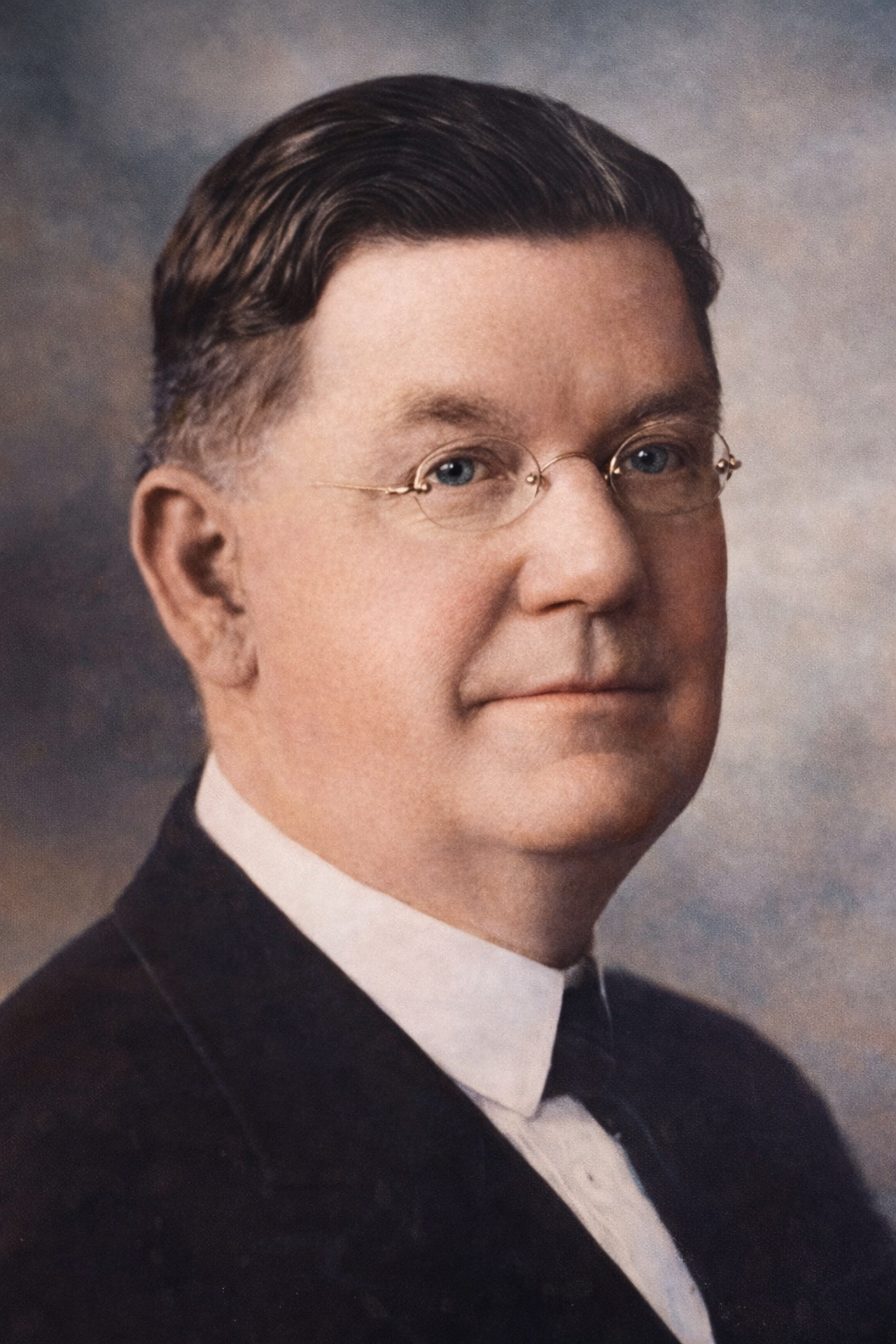
W.L. Cutts, Founding Pastor
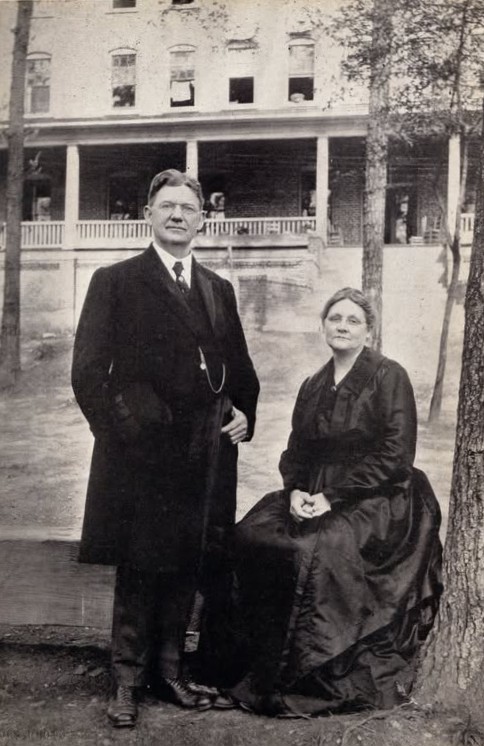
Pastor and Mrs. Cutts 1910’s
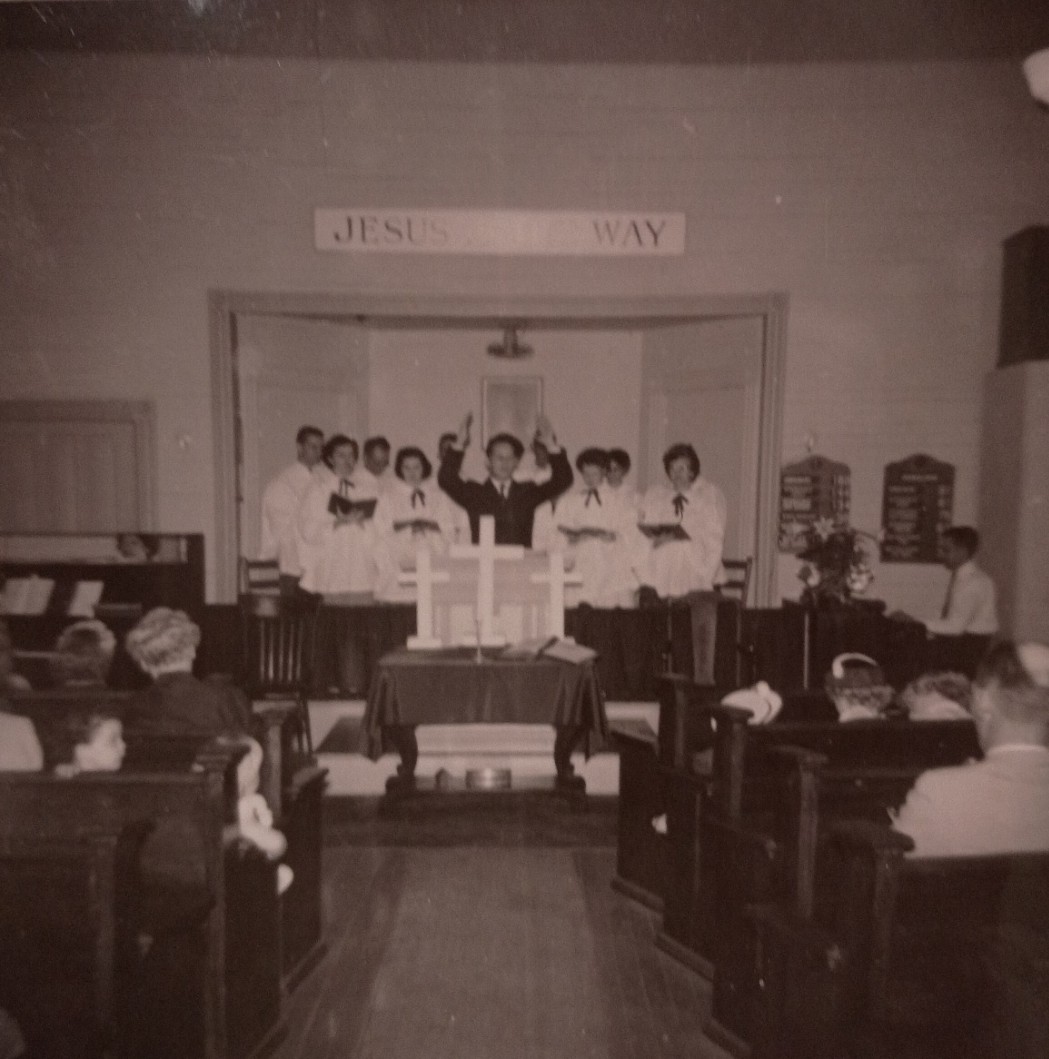
Mid-20th-century worship
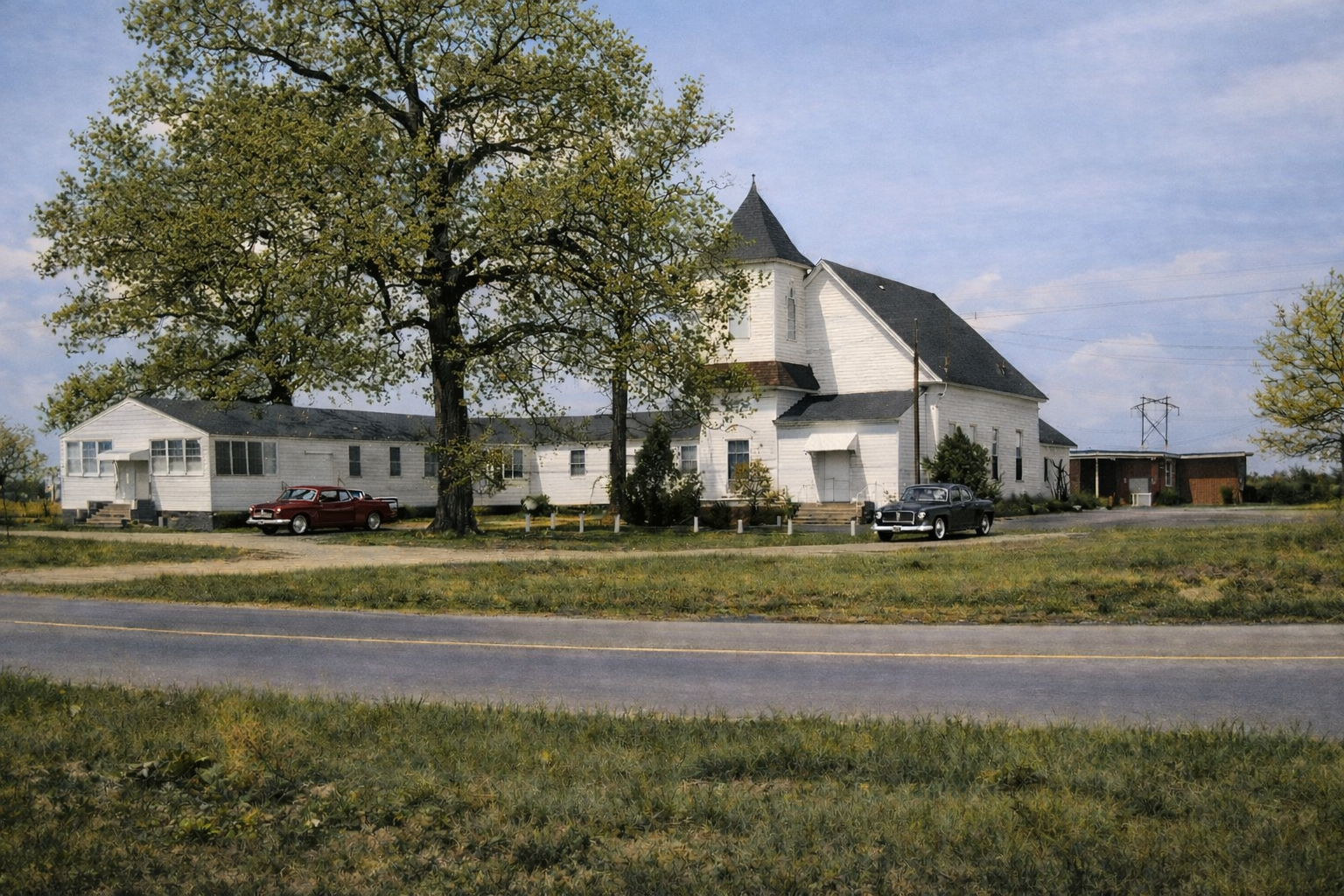
HBC meetinghouse mid-20th century
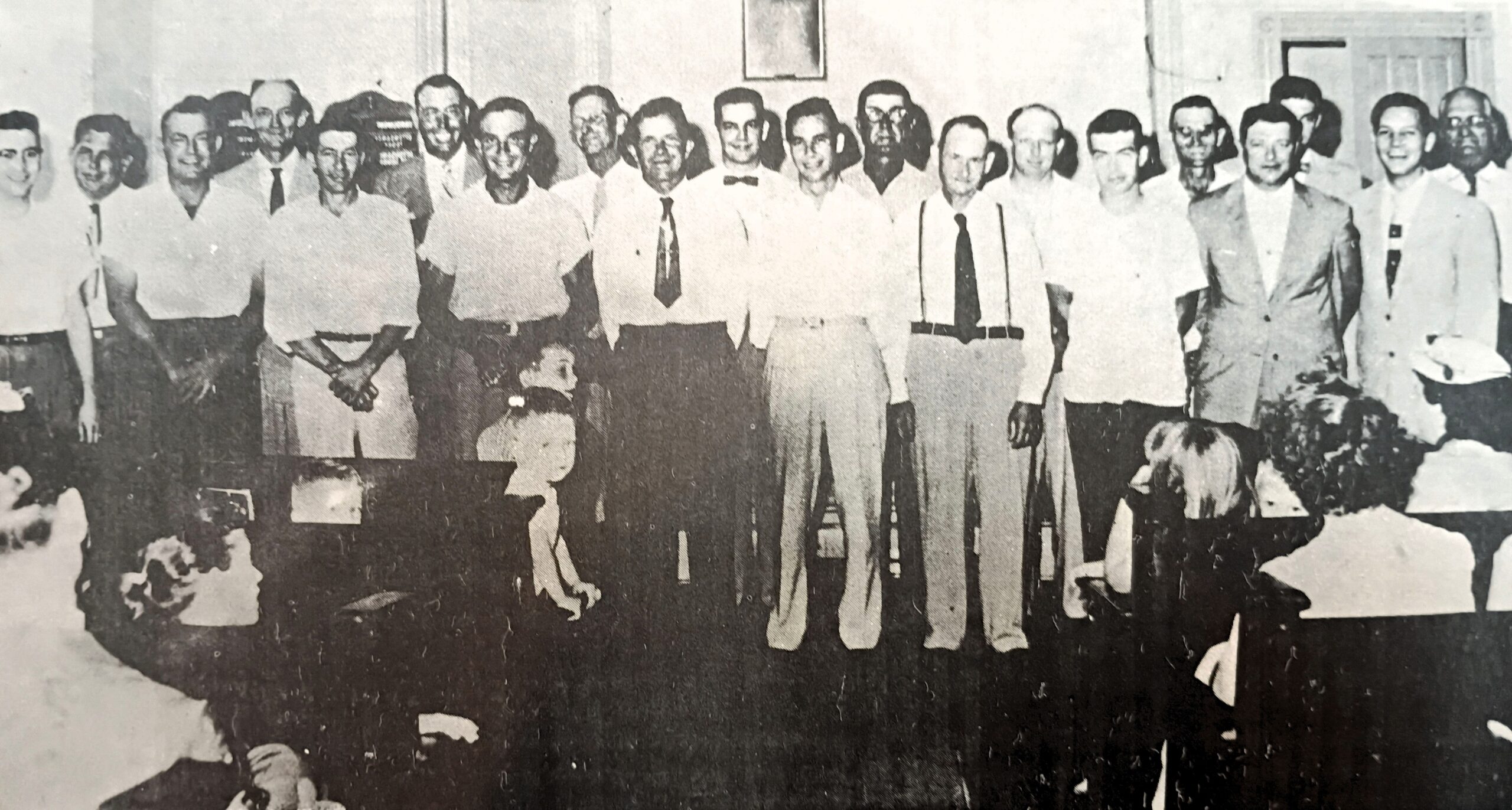
Fathers Day Dads 1959
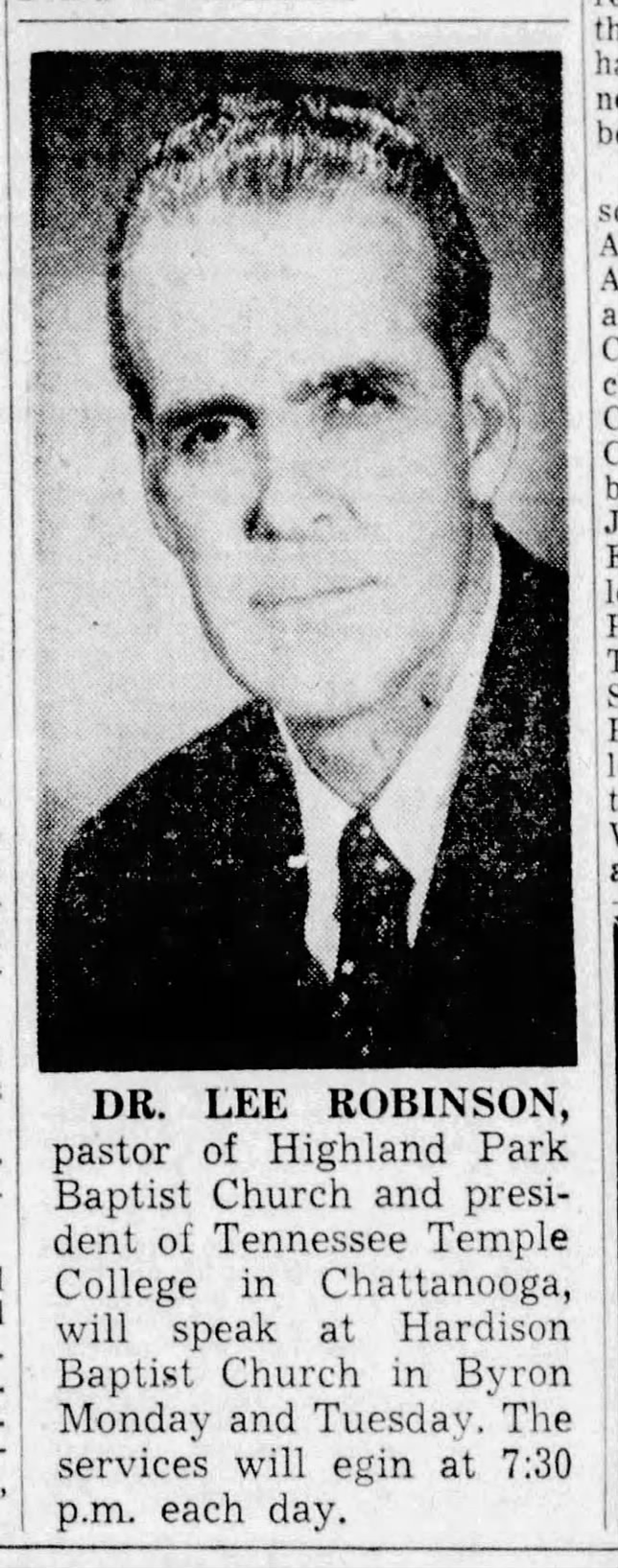
1960 Revival Newspaper Ad
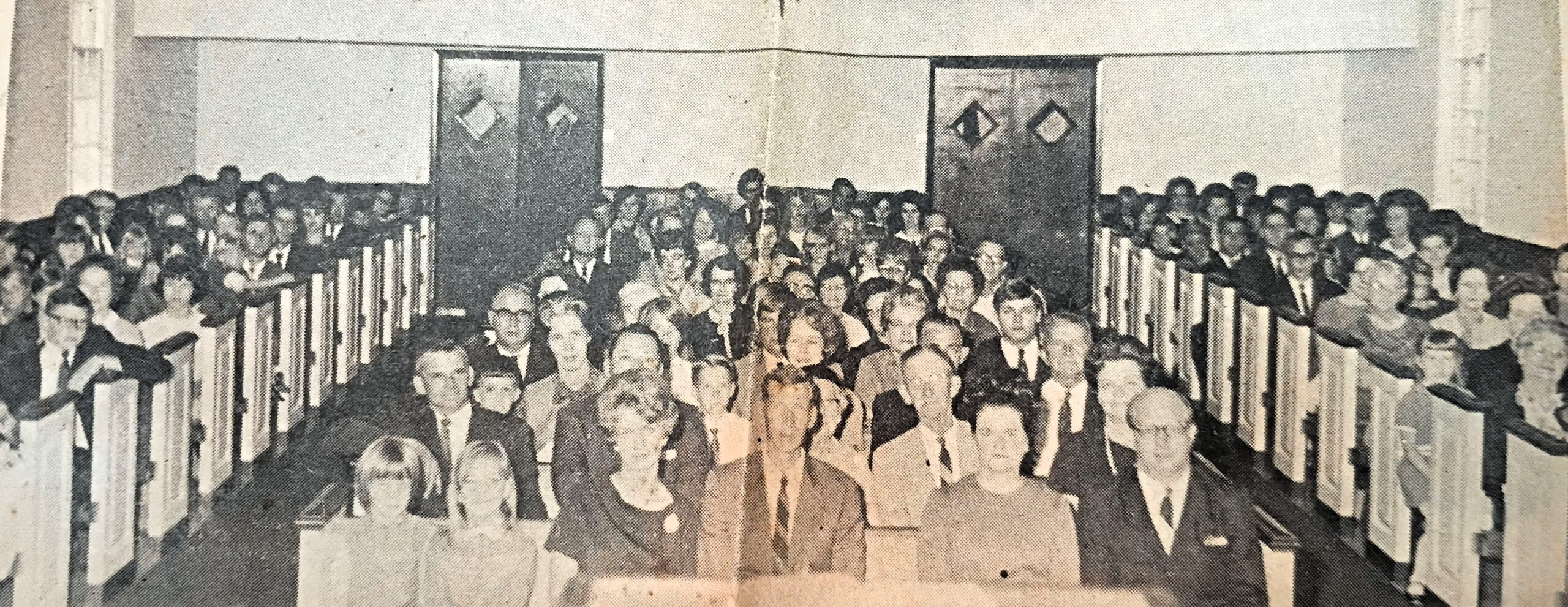
Late 1960’s service
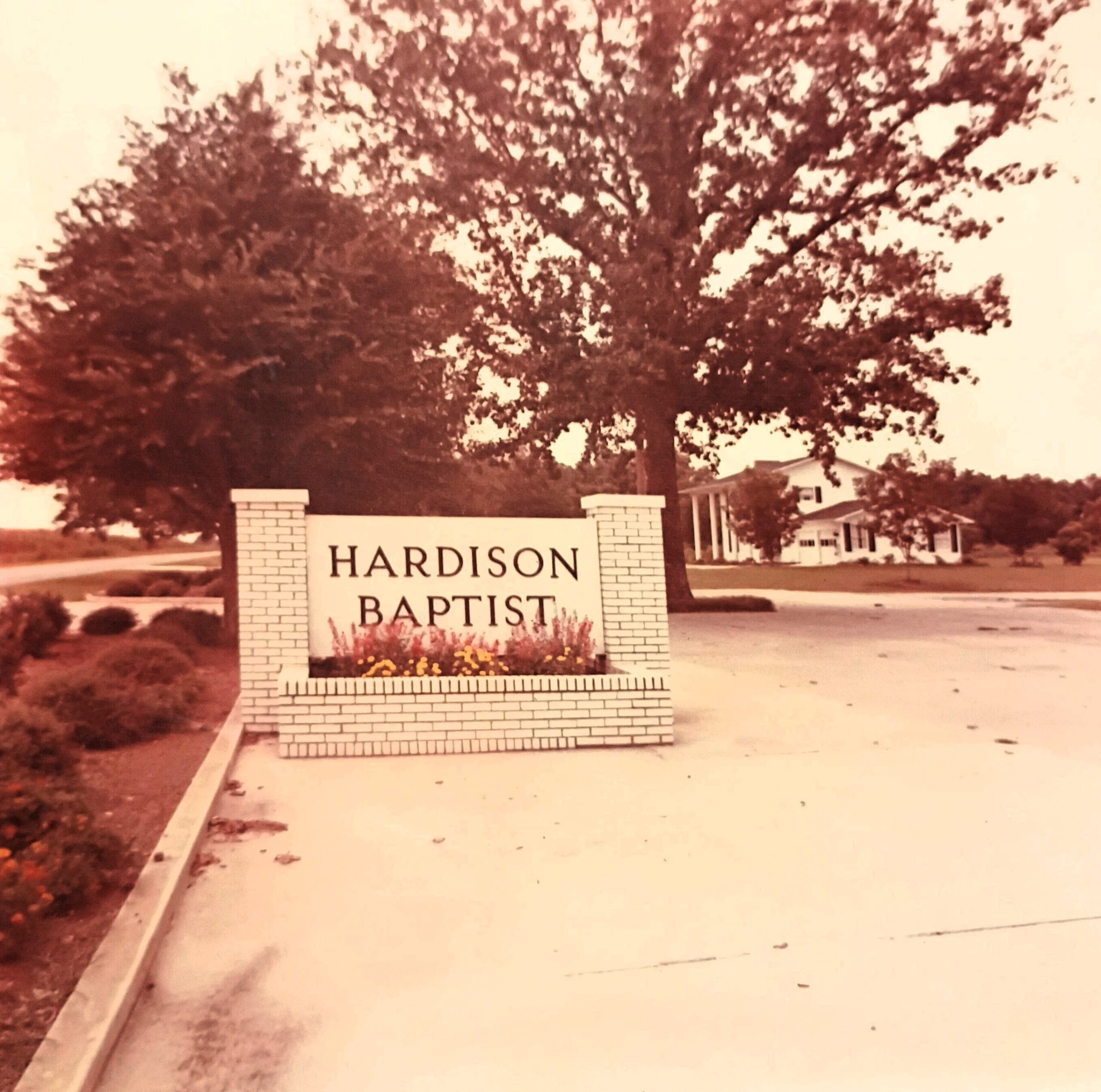
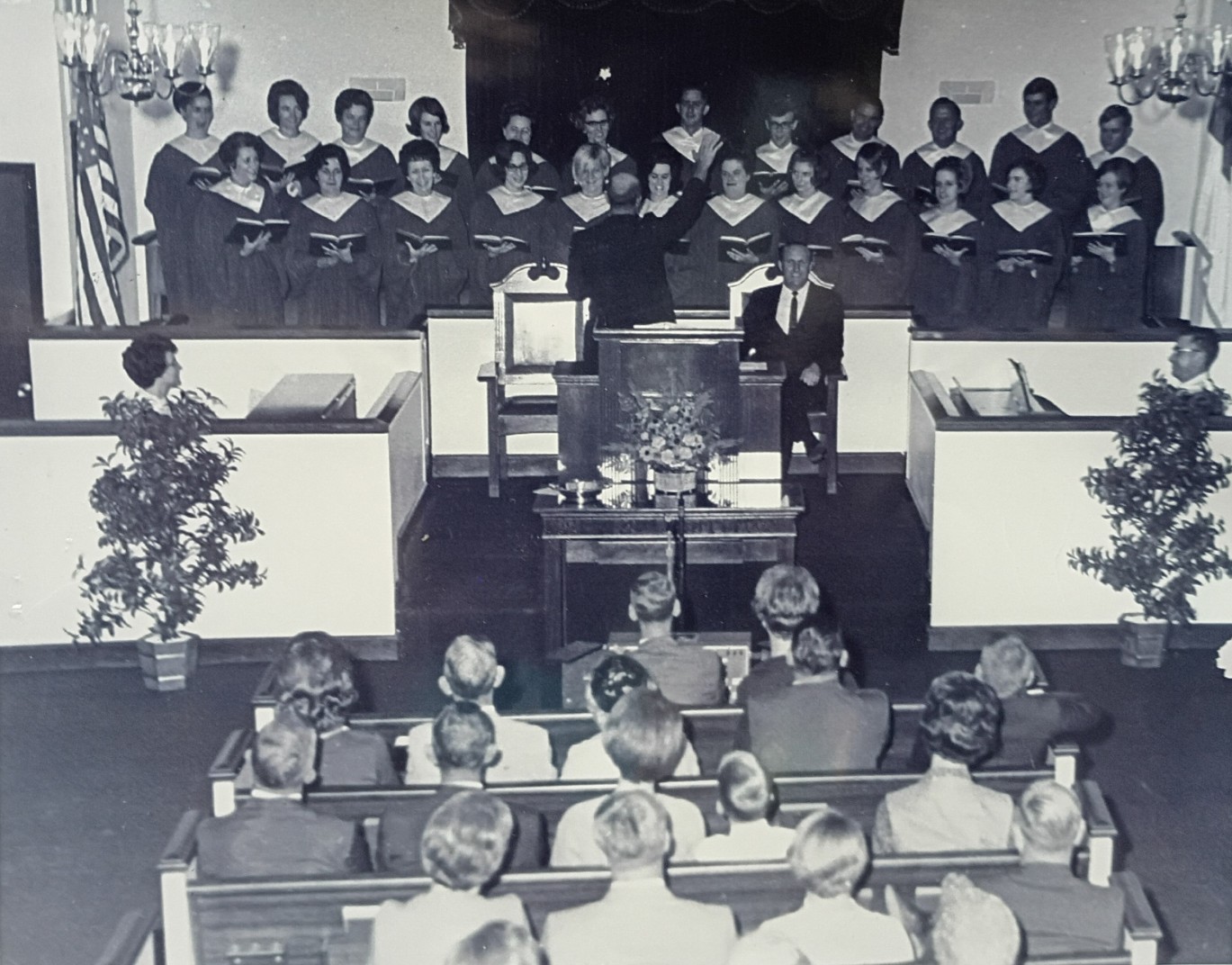
60’s-70’s choir

75th anniversary service, 1977
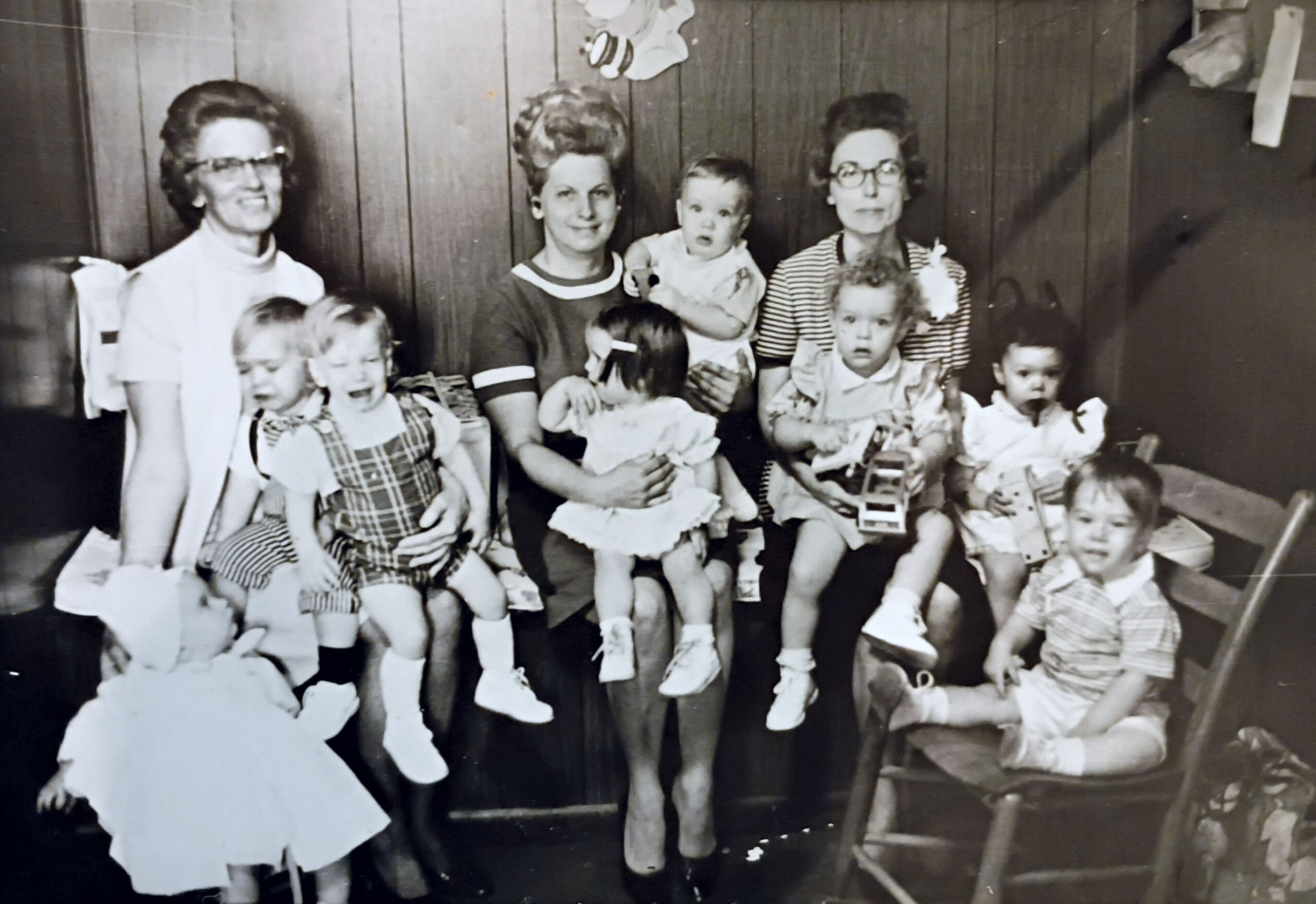
The babies in this nursery are now likely older than the workers were then.

Championship Softball Team
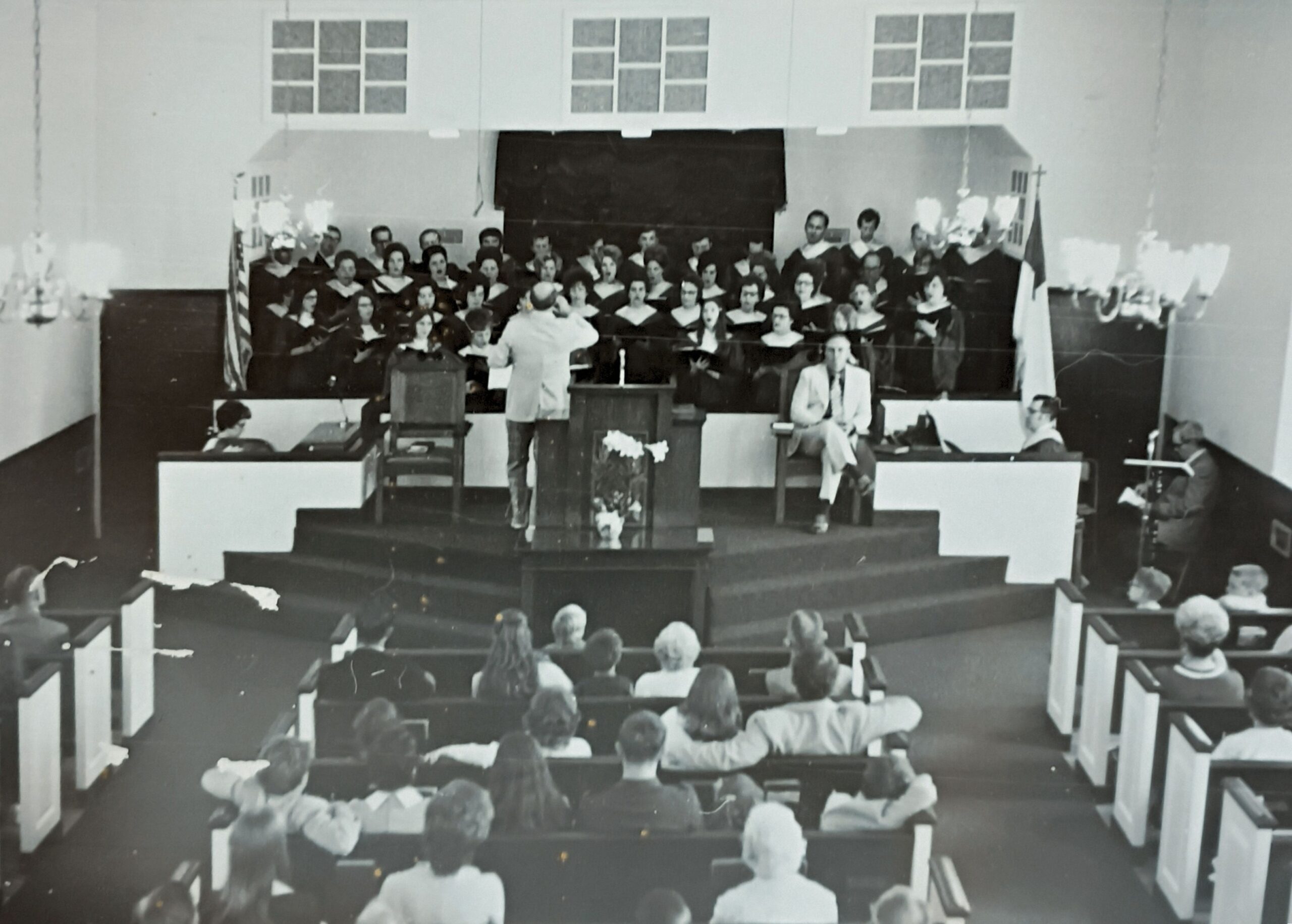
Great choir of the 1970’s
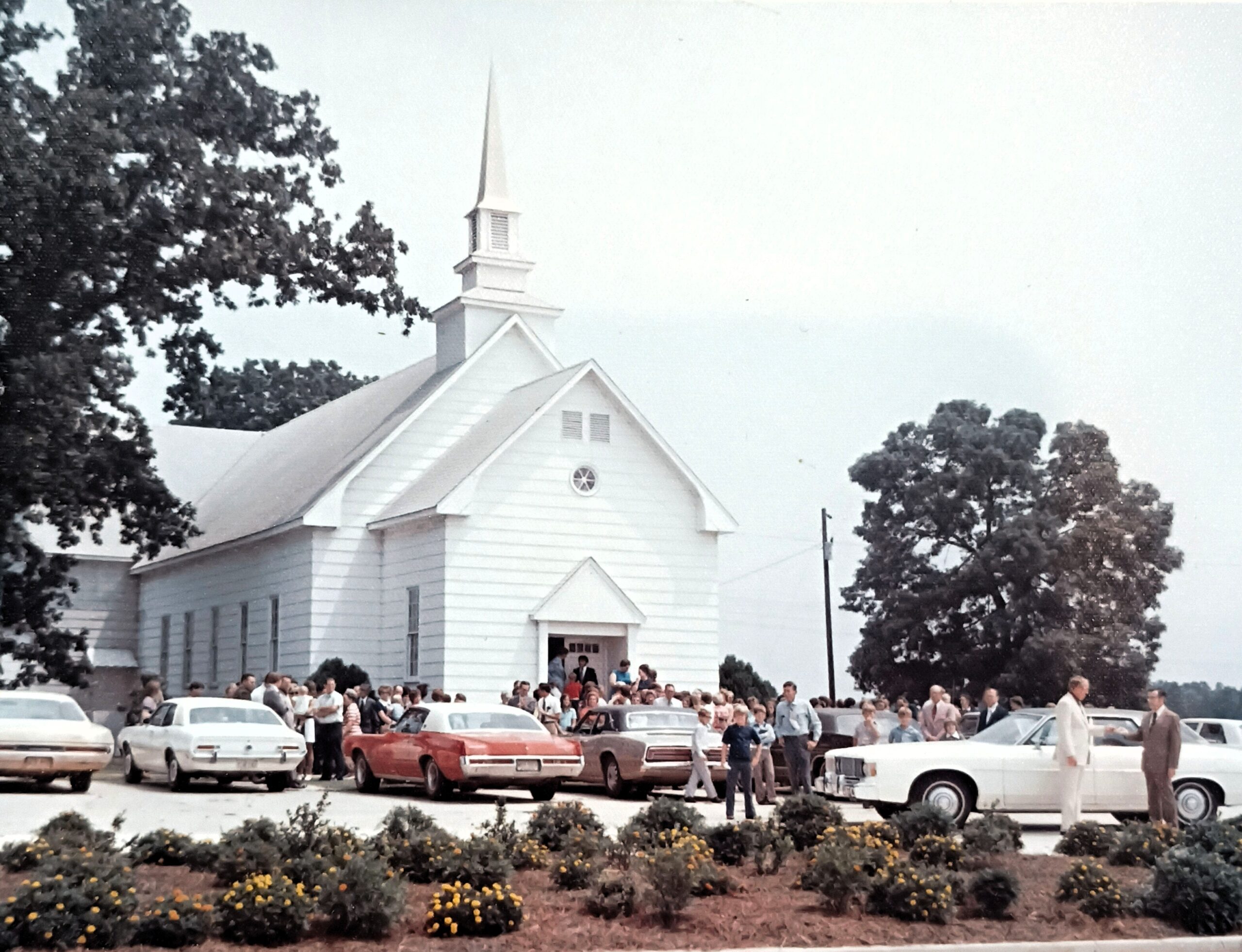
Late 1970’s service
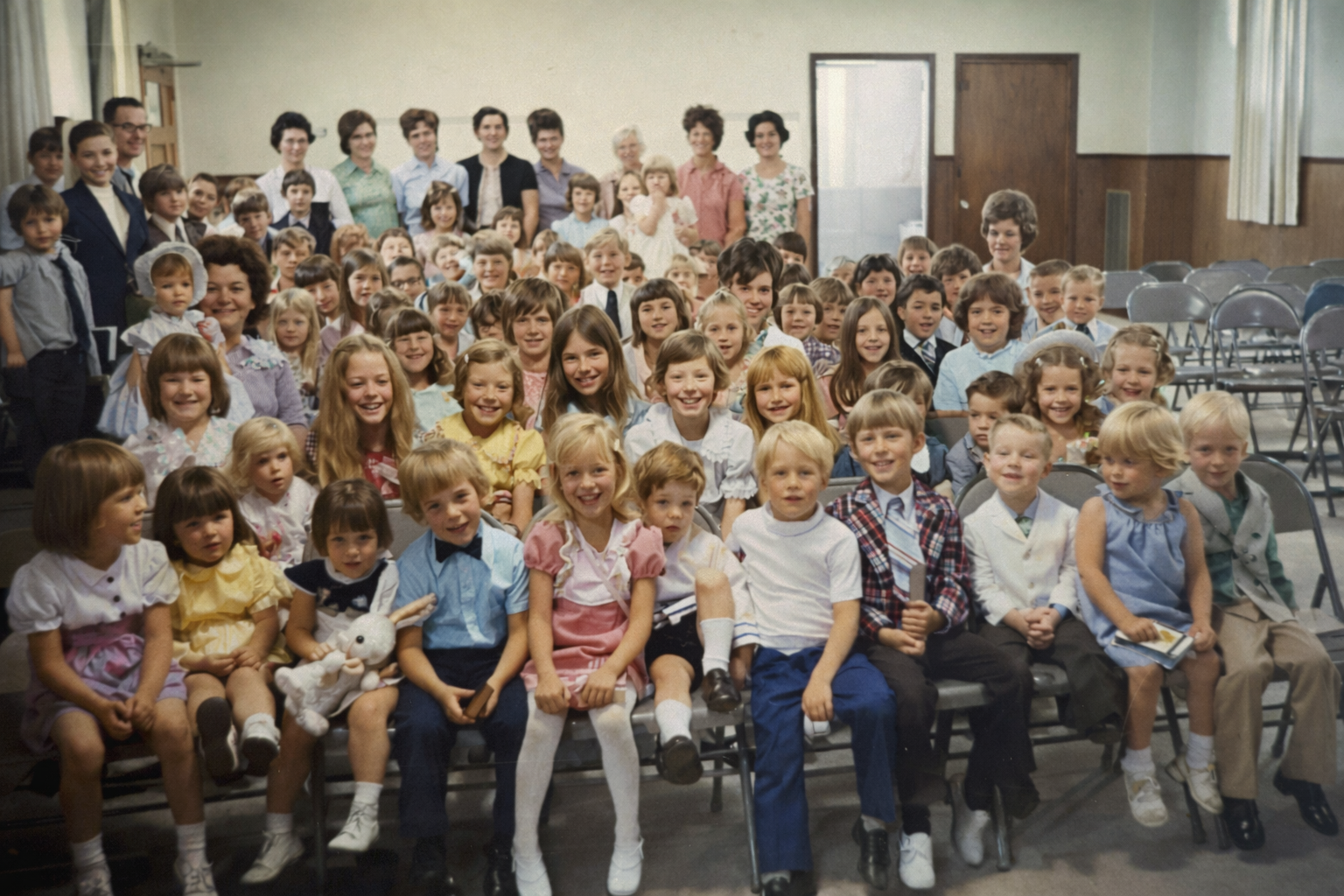
Children’s ministry 1970’s

June 8, 1978 service

Couples for Christ Class

1978 youth group with Pastor Dickey and Bro. Jim Stevens
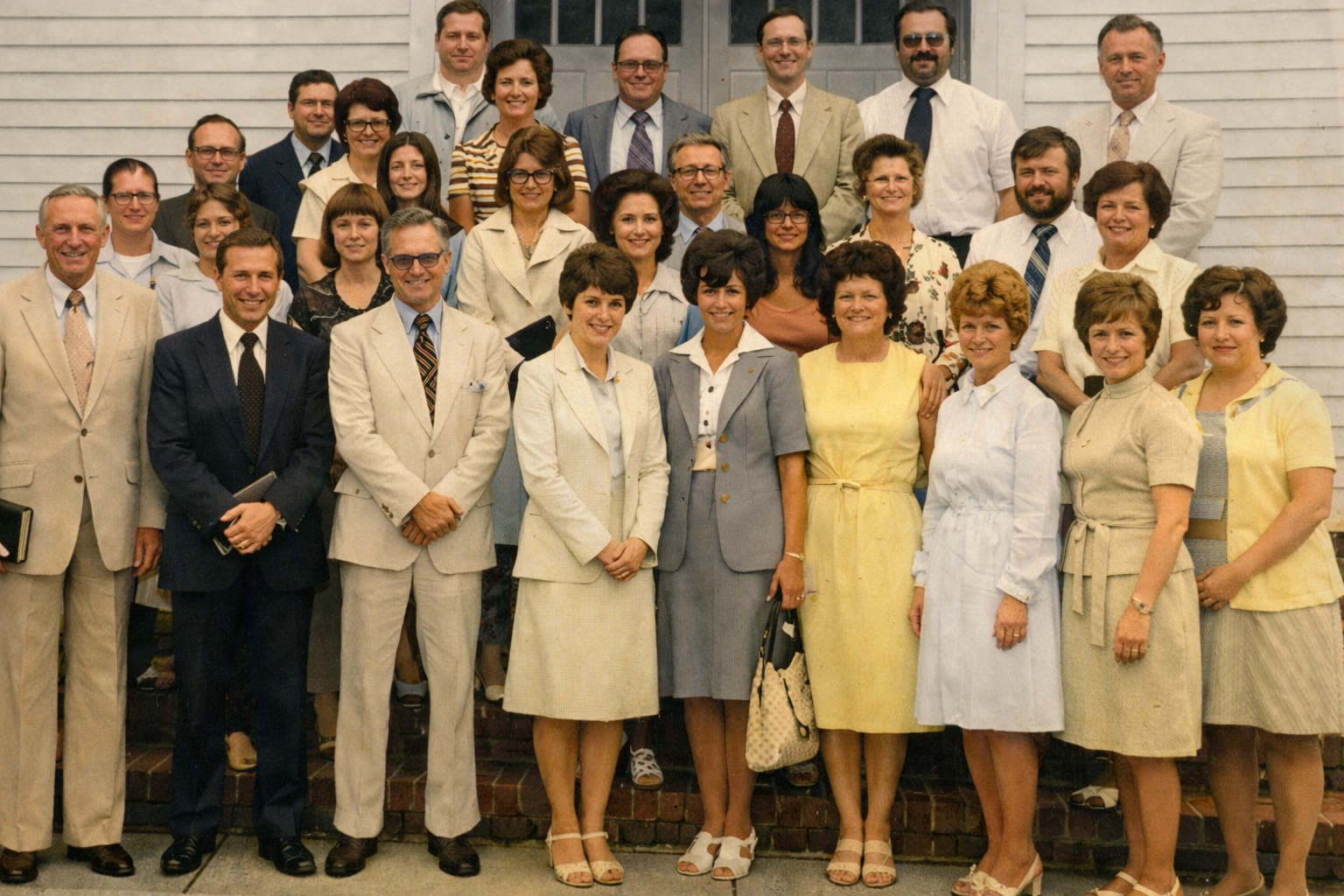
Sunday School Teachers in 1978

Choir during a Gym service early 80’s